BVI Yacht Charters: Why Watermakers Matter
September 9, 2026

Tim Firin
Author
6 min read
A BVI yacht charter gives you the freedom to explore the British Virgin Islands at your own pace. Wake up in a secluded anchorage, swim straight from the yacht, sail between islands and spend the evening somewhere completely different.
Choosing the right yacht can make the experience even better. For guests seeking comfort and independence, a modern catamaran equipped with a marine watermaker offers an important practical advantage
A watermaker, sometimes called a marine watermaker or desalination system, converts seawater into fresh water for use onboard.
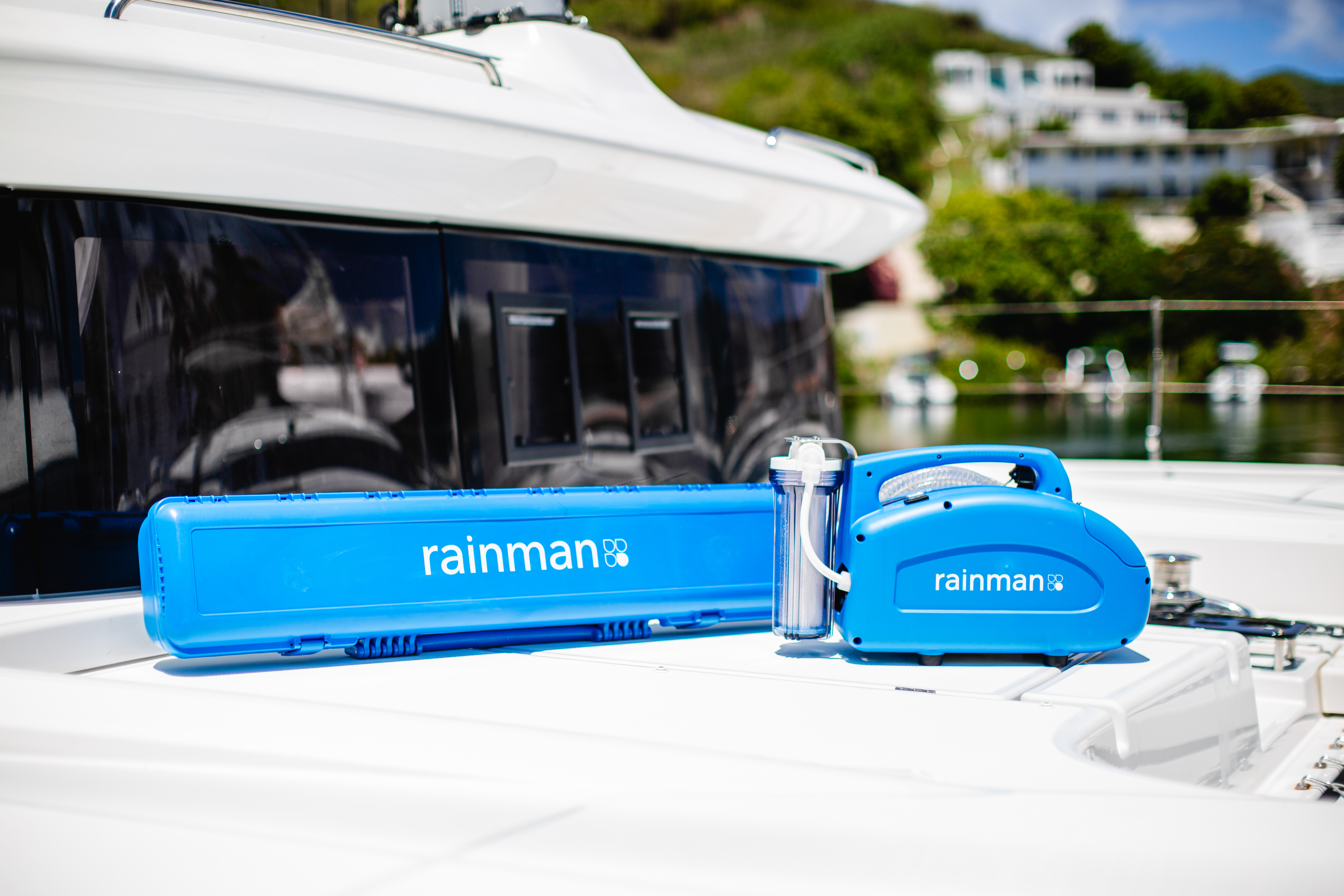
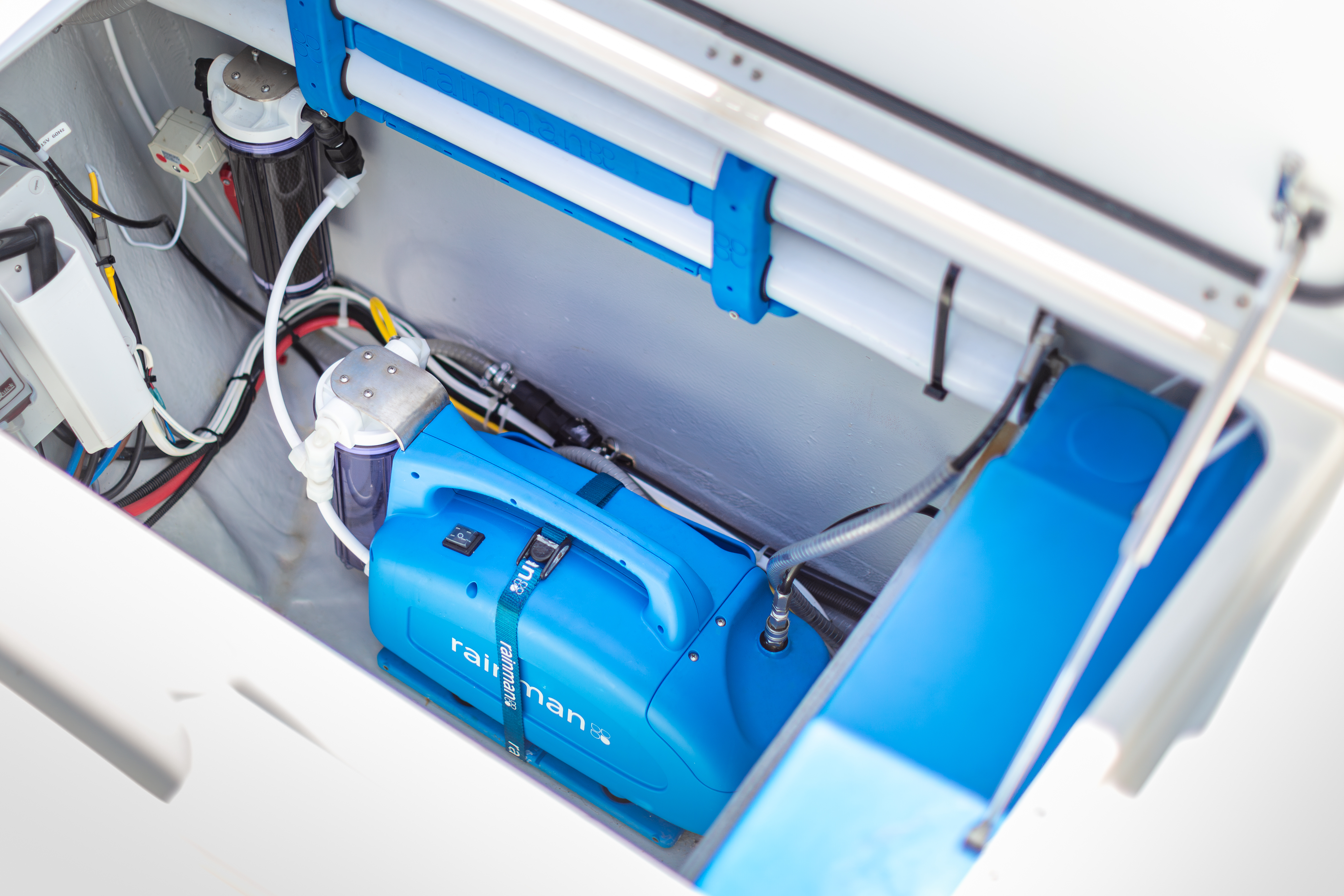
Freshwater shouldn’t be a concern when you’re out exploring the islands. Every yacht in the TMM fleet comes equipped with an onboard watermaker, with the majority powered by Rainman systems. As an official Rainman dealer, we ensure effortless freshwater production, giving you more reason to sail with peace of mind when choosing your charter.
Having a watermaker on board provides an additional supply for everyday activities such as showering, cooking, and washing dishes. Rather than relying solely on the yacht's freshwater tanks, guests have access to water produced while onboard.
For a multi-day bareboat sailing vacation, that can make the experience considerably more convenient.
The system draws in raw ocean saltwater, pushes it through fine pre-filters to catch sediment, and then uses a high-pressure pump to force the water through a semi-permeable membrane.
This membrane acts as a microscopic strainer, allowing pure water molecules to pass through while trapping and discharging salt, bacteria, and minerals back into the sea. The result is clean, fresh water fed directly into your catamaran's freshwater tanks, ready for daily use.
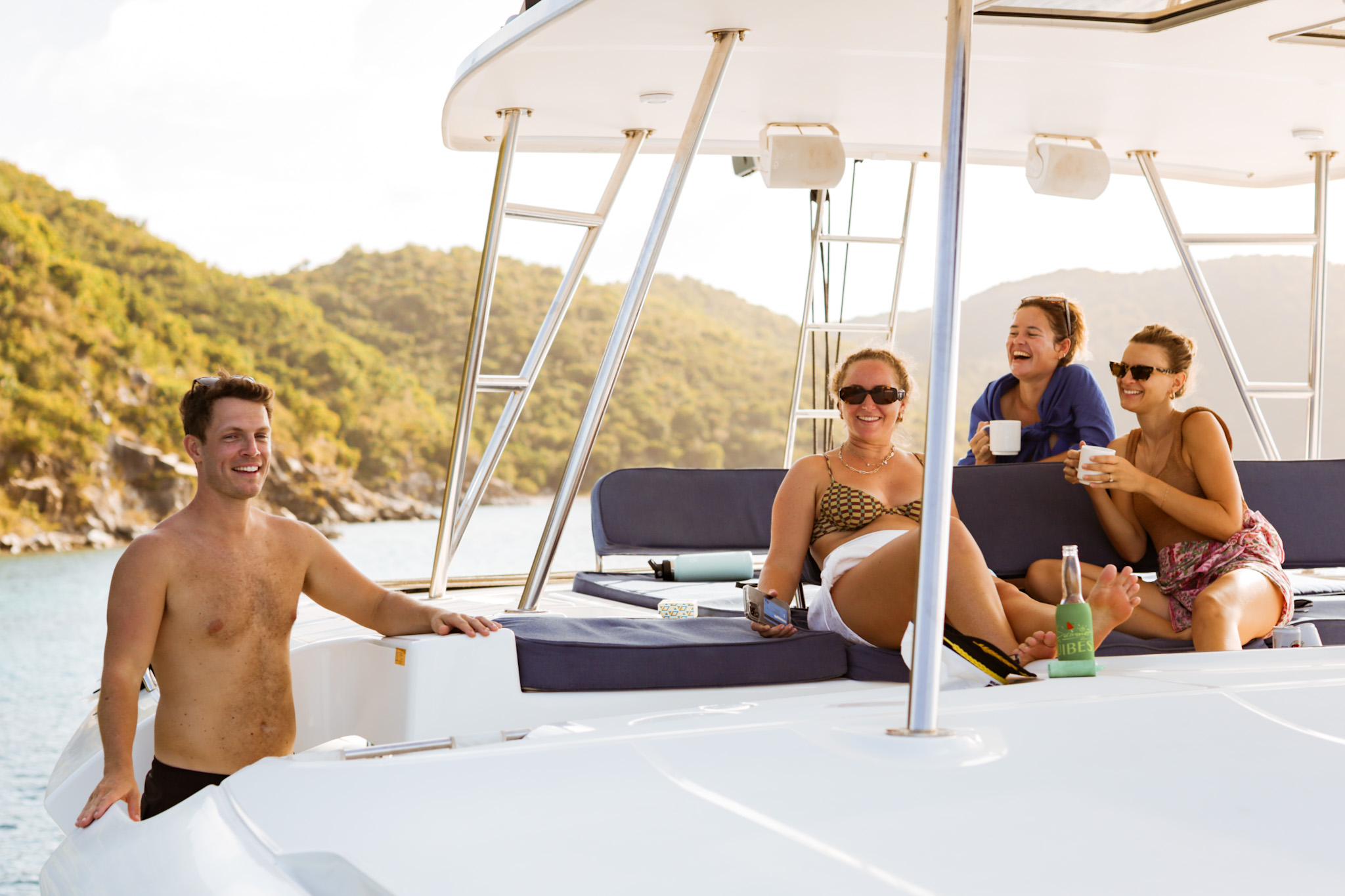
One of the biggest attractions of a BVI sailing vacation is the opportunity to spend time away from marinas.
The islands are home to beautiful anchorages where you can enjoy a quieter side of the destination. With a watermaker onboard, freshwater production is less dependent on returning to shore to replenish supplies. That means your itinerary can be shaped around the places you want to experience.
You might spend a night at anchor after exploring Virgin Gorda, sail towards Jost Van Dyke the following day, or find a quiet bay for an afternoon swim. Having a watermaker supports this style of cruising without adding unnecessary logistical stops.
.webp)
Total Independence: Sailors no longer need to plan routes around freshwater ports or worry about running out of water mid-ocean.
Comfort and Hygiene: Crews can enjoy guilt-free showers, wash clothes, and use clean water freely instead of rationing drops.
Eco-Friendly Travel: Watermakers can reduce reliance on single-use plastic water bottles for everyday onboard uses, helping to reduce plastic waste during longer voyages.
While having a watermaker onboard grants immense freedom, keeping a few best practices in mind ensures the system runs smoothly and efficiently throughout your trip:
Only operate the watermaker when anchored or motoring in deep, clear water. Avoid turning it on in murky harbors, shallow muddy bays, or near fuel docks to prevent clogging the filters.
Watermakers require adequate electrical power to run the high-pressure pump. It's best practice to run the system while the generator or main engines are running to maintain healthy battery levels.
Even with continuous water production, sensible water conservation goes a long way. Turning off the tap while brushing teeth or keeping showers reasonably brief helps ensure the system keeps up with full-crew demand without unnecessary strain.
While a watermaker uses reverse osmosis to remove salt and impurities to create fresh water, we do not advise drinking water directly from the onboard tanks or taps. The water produced is ideal for showering, cooking, washing dishes, and general onboard use. For drinking water, we recommend using bottled water or bringing dedicated drinking water jugs aboard.
Not at all. Your charter briefing team at TMM will walk you through the simple startup and shutdown procedure before you set sail. Most modern systems are operated with straightforward controls and simple switches.
Watermakers feed directly into the yacht's existing freshwater tanks. Think of it as a continuous top-up system that keeps your main storage full throughout the week, ensuring you always have water available for showers and galley use.
Read our Frequently Asked Questions to learn more about chartering with TMM.
The British Virgin Islands are made for exploring by yacht. From Tortola and Norman Island to Virgin Gorda and Jost Van Dyke, the destination offers an exceptional variety of beaches, anchorages, and sailing experiences within a relatively compact area.
A well-equipped catamaran allows you to enjoy that freedom in comfort.
With a watermaker, you can spend more time enjoying the destination and less time worrying about the practicalities of life onboard.
If you are comparing BVI yacht charters, look beyond the headline price and consider the features that will make the biggest difference during your time at sea. A watermaker might not be the first thing you notice when choosing a yacht, but after several days of sailing, it can quickly become one of the features you appreciate most.
Search
September 17th, 2026
September 9th, 2026
June 26th, 2026
June 26th, 2026
.jpg)
June 26th, 2026